No products in the cart.
Return To Shop
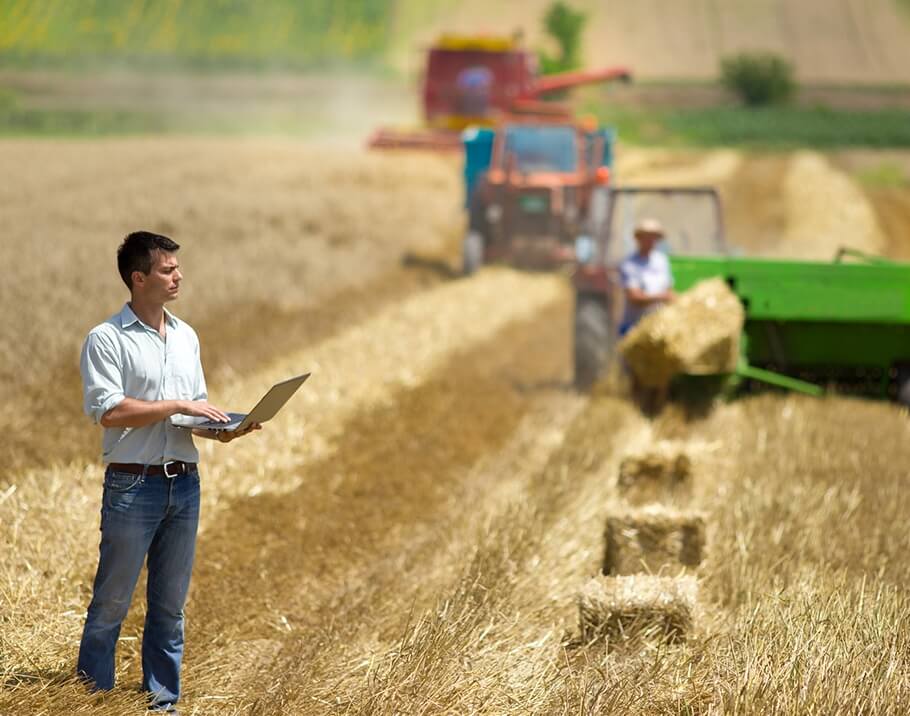
Haymaking is an art and a science. From seeding to harvest, every step demands attention to detail, and the choice of equipment plays a pivotal role. Among the essential components of haymaking machinery, the tines of a hay turner stand out as unsung heroes. These seemingly simple components hold immense importance in optimizing the haymaking process.
Understanding the Role of Tines
Tines, also known as tines or prongs, are the teeth-like structures attached to the turning mechanism of hay tedders or rakes. Their primary function is to lift and aerate the hay, allowing it to dry evenly and efficiently. Choosing the appropriate tines for your hay turner can significantly impact the quality of the hay and the overall efficiency of the harvesting process.
Factors to Consider When Choosing Tines
- Hay Type and Condition: Different hay types (e.g., grass, alfalfa) and varying conditions (wet, dry, thick, or sparse) require different tines. For instance, flexible tines work better for delicate hay types, while sturdier tines might be necessary for tougher, thicker hay.
- Width and Spacing: The width and spacing between the tines determine the amount of hay lifted and spread during the turning process. Optimal spacing ensures proper aeration and prevents the hay from clumping, allowing for uniform drying.
- Terrain and Field Conditions: Consider the terrain where the hay is being harvested. Rough or uneven terrain may require stronger, more durable tines to withstand the stress and ensure consistent performance.
- Adjustability and Compatibility: Some hay turners allow for tine adjustment, offering versatility for various hay types and conditions. Ensuring compatibility between the tines and the turner machinery is crucial for seamless operation.
Impact on Efficiency and Hay Quality
The choice of tines directly influences the efficiency of haymaking. Well-suited tines can expedite the drying process by aerating the hay effectively, reducing the risk of spoilage due to moisture. Moreover, properly aerated hay preserves its nutritional value and color, resulting in higher-quality fodder for livestock.
Maintenance and Longevity
Properly chosen tines not only enhance the haymaking process but also contribute to the longevity of the equipment. Tines designed for specific conditions and hay types are less likely to wear out prematurely, reducing maintenance costs and downtime.
Conclusion
In the realm of haymaking, every element counts toward achieving the best possible outcome. Tines, often overlooked, play a pivotal role in ensuring the quality of the hay and the efficiency of the harvesting process. Understanding the nuances of different tines, considering field conditions, and selecting the right tines for your hay turner can significantly impact the success of your haymaking endeavors.
Choosing the right tines is not merely about selecting a part; it’s about optimizing an entire process and ensuring that the end result—high-quality, nutrient-rich hay—meets the needs of both the farmer and the livestock.
Here’s to the unsung heroes of the haymaking world—tines, turning hay into nourishment, one prong at a time.
About author
